

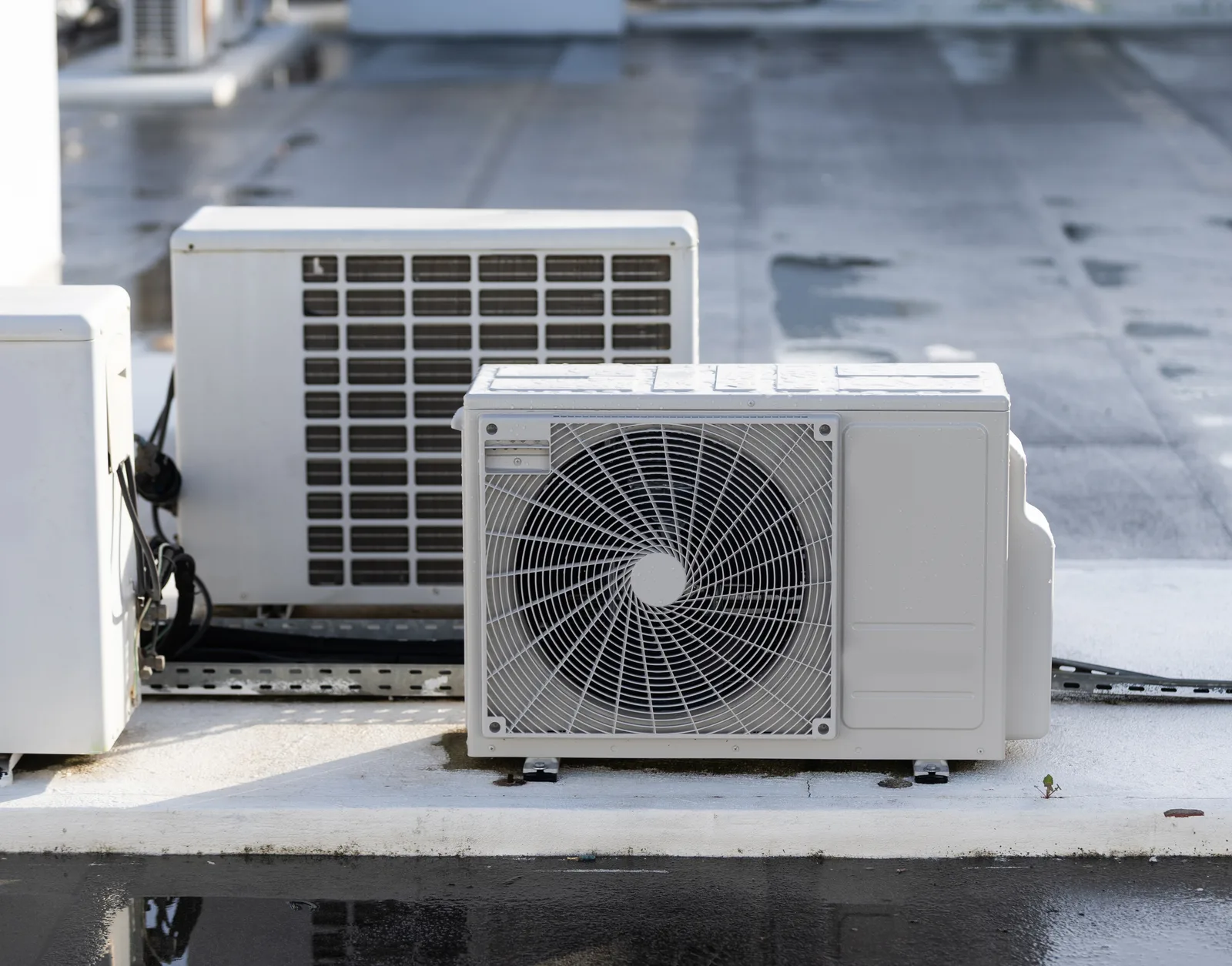
Generally no — a refrigerant release is the one HVAC exposure where general liability stops, and being honest about that is more useful than pretending otherwise. The standard general liability form contains a pollution exclusion that generally removes a refrigerant-release claim from coverage, completed operations included. The coverage that can answer a refrigerant release is contractor pollution liability, a separate line that has to be purchased on purpose — and most HVAC contractors do not carry it. This post walks the seam plainly so you know exactly where the line is.
This is the same framing you will find on our general liability page and in the completed operations explainer: a refrigerant release is generally excluded by general liability’s pollution exclusion, and pollution liability is a separate line you can buy if your work warrants it. The point here is consistency and honesty, not a push — most HVAC contractors do not carry the separate line, and naming it is simply the accurate answer to a question contractors actually search.
Why a refrigerant release is treated as pollution
Refrigerant is exactly the kind of substance the standard general liability pollution exclusion is built to remove. The exclusion withdraws coverage for bodily injury and property damage arising out of the release, discharge, or escape of pollutants, and a refrigerant release generally falls inside that language. It does not matter that the leak surfaces after the job the way other completed-operations losses do — the pollution exclusion governs the claim regardless of the completed-operations grant, so the products-completed-operations hazard does not pull a refrigerant release back into coverage.
That is the seam, stated plainly. A fire traced to the install, a carbon-monoxide claim from a flue fault, water damage from a failed condensate line — those are completed-operations claims general liability answers. A refrigerant release is the exception that the pollution exclusion carves out. The exclusion is broad and its exact wording varies by carrier, so read the pollution language on your own form and confirm the exact form and edition rather than assuming.
The honest answer: general liability does not reach it
It would be easy to soften this, and softening it would not help you. General liability does not cover a refrigerant release. There is no completed-operations workaround, no aggregate to adjust, no endorsement on the CGL that quietly fixes it. The pollution exclusion is doing what it was written to do, and a contractor who assumes the general liability policy answers a refrigerant event is reading the form wrong.
That clarity is worth more than a reassuring half-answer. Knowing the seam means you can make a deliberate decision about the exposure instead of discovering it during a claim — which is the entire reason to read coverage closely before you need it. The next question is the only one that matters: if general liability does not reach a refrigerant release, what does?
Contractor pollution liability: the separate line
The coverage that can respond to a refrigerant release is contractor pollution liability, a separate insurance line distinct from general liability. It is not part of the standard CGL, it is purchased on purpose, and depending on the form it can answer pollution-type exposures arising from a contractor’s work — potentially including a refrigerant release. There is no fabricated form number to give you here; what matters is the category and the honest fact that it is a line apart from your general liability.
And here is the part most coverage marketing skips: most HVAC contractors do not carry contractor pollution liability. Naming it is not a push to buy it. Whether the separate line is worth it depends on the nature and scale of your refrigerant work and your own read of the exposure. Some contractors weigh it and pass; some weigh it and add it. The point is to weigh it deliberately, knowing that the CGL does not cover the release, rather than either assuming the general liability policy already does or buying an extra line you have not actually thought through. Wording and coverage vary by form, so confirm what any specific contractor pollution liability policy does and does not include before relying on it.
How to check your own policy
The seam above turns into three concrete things to confirm — the actionable part of this post:
- Read the pollution exclusion on your general liability form. Confirm for yourself that a refrigerant release falls within it, so you are not relying on an assumption. Wording and form numbers vary by carrier — confirm the exact form and edition on your policy.
- Know that completed operations does not change the answer. The pollution exclusion applies to the refrigerant release even though it is a finished-work loss; the products-completed-operations hazard does not pull it back into coverage.
- Decide on contractor pollution liability deliberately. If the refrigerant exposure concerns you, treat contractor pollution liability as the separate line to evaluate — and confirm exactly what any specific form covers before relying on it.
Honest coverage, deliberately chosen
The refrigerant question is the one where the most valuable thing an HVAC contractor can do is read the seam accurately. Carry general liability for the completed-operations losses it does answer — fire, carbon monoxide, condensate water damage — and understand plainly that a refrigerant release is not among them. If the exposure matters to your operation, weigh contractor pollution liability as the separate line on its own merits. A residential HVAC contractor and a commercial HVAC contractor both handle refrigerant, and both face the same seam.
Working under the federal EPA Section 608 refrigerant rules and recognized OSHA safety standards reduces the chance of a release, but it does not move the claim from the pollution exclusion back into general liability — the coverage seam is the same either way. When you are ready, start a quote, read the full general liability treatment to see where this seam sits, or step back to what drives HVAC insurance costs to see where the pieces fit in the program.