

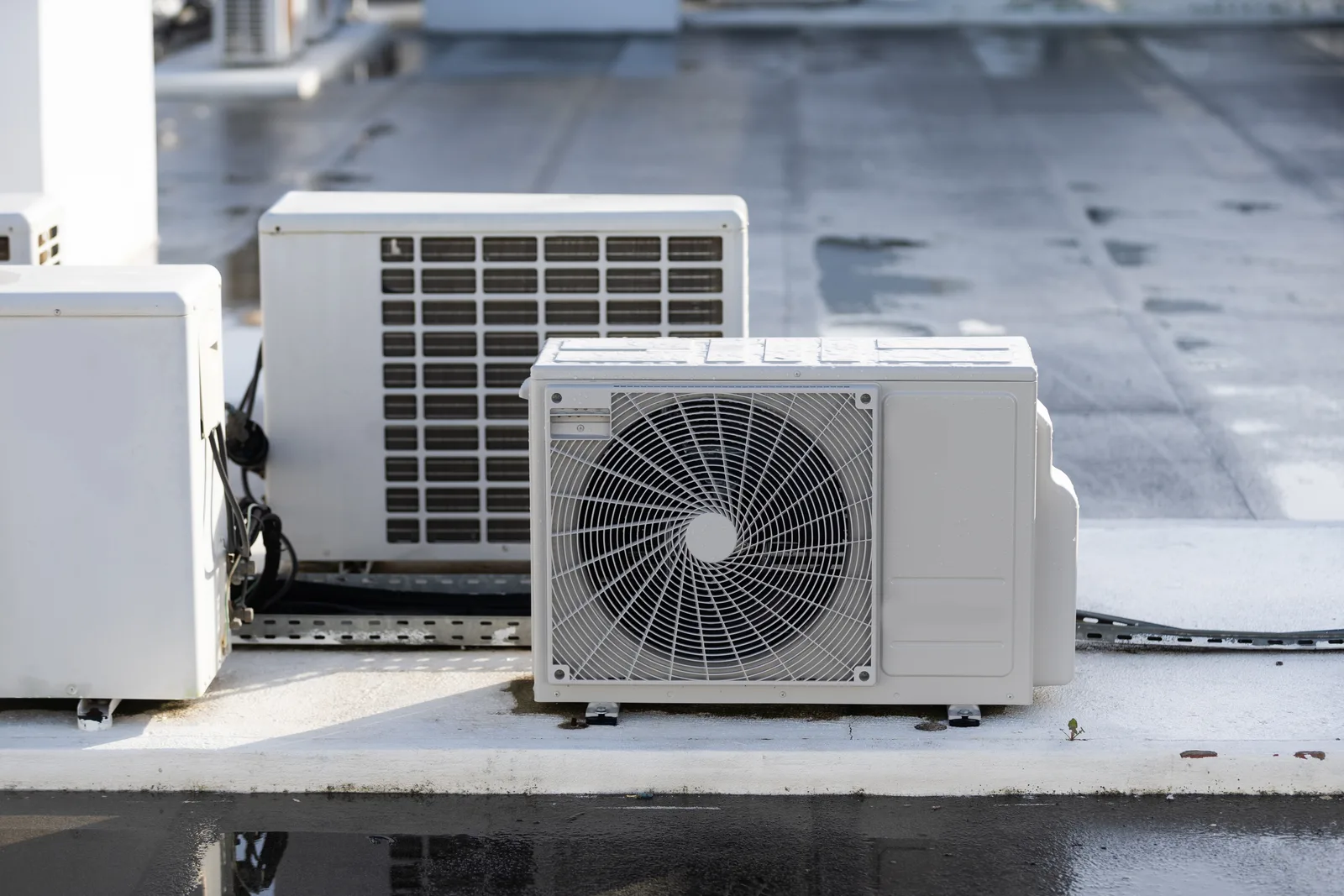
Commercial auto can cover a work van parked overnight at a job site, but only for what your policy covers on that vehicle. Theft of or damage to the van itself is covered only if it carries physical damage coverage, and the tools inside are usually a separate inland marine question. This post is general education, not legal advice.
What does commercial auto actually cover on a parked van?
It depends on which coverages apply to that vehicle. A commercial auto policy has separate parts. Liability answers for injury or damage the vehicle causes to others. Physical damage answers for damage to your own vehicle, and it is often split between collision and comprehensive, with theft and vandalism usually falling under comprehensive. A business can carry liability on every van and physical damage on only some of them.
So the first thing to check is the declarations page. For each vehicle, it shows which coverages apply. If an older van carries liability only, a theft of that van from a job site is not something the auto policy will pay to replace, wherever it was parked.
Our commercial auto page covers the basics, and the Minnesota Department of Commerce explains how commercial auto differs from personal auto in plain language.
Why does leaving it at a job site make a difference?
It does not change what the policy is, but it can change the facts around a claim. Job sites are often unlit, unfenced and empty at night, which makes a van and its contents an easier target than one behind a locked shop gate.
It also touches the garaging information your insurer used to rate the policy. An occasional night on a site is ordinary. A van that lives on a long commercial job for weeks, or that sleeps at a technician’s home every night, is a fact your agent should know. Our post on commercial auto for an HVAC business with multiple vehicles explains how take-home vans fit into a fleet policy.
What about the tools and equipment left inside?
This is where most job-site losses actually land, and it is usually not commercial auto. Tools, gauges, recovery machines and vacuum pumps are commonly covered by contractors equipment, an inland marine line. Our post on whether insurance covers tools stolen from your van explains why the van and its contents sit on different policies.
Read your equipment form for any wording about property in an unattended vehicle. Some forms set conditions, such as requiring the vehicle to be locked or the property to be out of sight. If yours does, a van left unlocked on a site overnight may not meet them. For gear left in job boxes or trailers rather than vans, see our post on inland marine and tool theft from job sites and trailers.
Real-World Scenario: An illustration, not a real case. A crew leaves a service van on a commercial job overnight to save the drive. In the morning a window is broken and the recovery machine is gone. The owner calls the agent and learns the window falls under the van’s comprehensive coverage and the recovery machine under the contractors equipment policy, each with its own deductible. Both claims go in the same day with photos and a police report.
What if the parked van causes damage?
A parked vehicle can still cause harm. It can roll on a slope, block an emergency exit, or be struck and pushed into something. Damage or injury caused by a covered auto is the kind of liability a commercial auto policy is usually written to answer, but the facts and the wording decide any claim.
Simple habits reduce the risk. Set the parking brake and chock the wheels on a grade. Park where the general contractor or owner tells you to. Do not leave keys in the vehicle. Report any incident to your agent the same day.
What if the van is parked at a customer’s home or business?
Overnight parking is not only a construction-site question. Service techs sometimes leave a van at a customer’s house for a multi-day changeout, or in a commercial customer’s lot during a long job. The same three questions apply: the van’s own coverage, the liability if it causes harm, and the tools inside.
Two extra points come up here. First, the customer may have rules about where you can park and whether vehicles can stay overnight. Ask before you leave the van, and note the answer. Second, if the van blocks a driveway, a fire lane or a loading dock and causes a problem, the customer will look to you. Park where you are told, leave a contact number in the windshield if the customer agrees, and take the keys.
On commercial sites, read the contract as well. Some customers require vendors to remove vehicles at the end of each day, and breaking that rule can put a dispute on top of any loss.
Is a van parked at a technician’s home any different?
The coverage questions are the same, but the facts are different, and your insurer should know them. A take-home van sleeps in a driveway or on a residential street rather than at your shop. That is a garaging fact your agent uses, and it is common enough in HVAC that most insurers will want to know about it rather than be surprised by it.
The tools are the bigger issue. A van in a technician’s driveway may hold the same gauges, recovery machine and parts it carried all day. If your contractors equipment form has conditions for unattended vehicles, they apply in a driveway as much as on a job site. Some shops ask technicians to bring the most valuable items inside at night. Whatever your rule is, write it down and make sure everyone follows it.
What should you do after a break-in or theft?
Move quickly and keep everything. A theft claim depends on what you can show.
- Call the police and get a report number. Many insurers ask for one on theft claims.
- Photograph the damage before anything is repaired: broken windows, punched locks, cut chains.
- List what was taken, with makes, models and serial numbers if you have them.
- Call your agent the same day and ask which policy each part of the loss falls under.
- Keep receipts for any emergency repairs or replacement rentals.
If both the van and the tools were damaged or taken, expect two claims under two policies, each with its own deductible. Knowing that ahead of time makes the morning after a break-in a lot less confusing.
What should you do before leaving a van on a job site?
Treat it as a decision, not a habit. Before the crew leaves a vehicle overnight:
- Ask whether the site has a locked or lit area for vehicles.
- Take high-value tools with you, or lock them in a secured box.
- Lock the van and keep equipment out of sight.
- Photograph the van and its contents at the end of the day.
- Tell the site superintendent the van is staying, if there is one.
The CDC’s motor vehicle safety at work program has broader guidance for work vehicles.
Does the length of the job change anything?
It can. One night on a site is a routine event. A van that stays on a commercial project for weeks while the crew carpools in another vehicle starts to look like a different garaging arrangement, and the tools inside are exposed every night of that stretch.
For long jobs, plan the parking at the start. Ask the general contractor where vehicles may stay, whether the site is fenced or watched, and whether there is a locked container for equipment. Consider pulling the van off the site on weekends and holidays, when sites are emptiest. Let your agent know about long-term arrangements so the policy matches what is happening on the ground.
What should you ask your agent?
Bring your vehicle list and ask for written answers.
- Physical damage. Which of my vans carry comprehensive and collision coverage?
- Garaging. How should I report vans that stay on job sites or at technicians’ homes?
- Tools. Does my contractors equipment form set any condition for property in an unattended vehicle?
- Trailers. How is each trailer covered, and how is the equipment on it covered?
- Deductibles. What deductible applies to the van, and what applies to the tools?
When your list is current, request a quote, or read how we work.