States we serve · Wisconsin
Wisconsin HVAC contractor insurance
Wisconsin requires any business that installs or services heating, ventilating or air-conditioning equipment to hold a DSPS HVAC Contractor registration, and no one may obtain a building permit under the state’s one- and two-family dwelling code without an annual certificate of financial responsibility that proves liability coverage or a bond and, where required, workers’ comp. We write Wisconsin HVAC shops for general liability, workers compensation, service vehicles, equipment and umbrella limits, for a state that heats with propane at more than twice the national rate.

Wisconsin regulates HVAC work at the state level in two layers: the Department of Safety and Professional Services (DSPS) requires a registered HVAC Contractor for any business that installs or services heating, ventilating or air-conditioning equipment, backed by an individual HVAC Qualifier credential; and the state’s one- and two-family dwelling code separately bars anyone from obtaining a building permit without an annual certificate of financial responsibility, which is where general liability or a bond, workers’ comp and unemployment insurance get checked. The homes that work reaches are older than the national median, two-to-four-unit buildings are somewhat more common than nationally, and Census data show utility gas above the national share and bottled propane at more than twice it, with electric heat far below. This page covers the DSPS registration, the dwelling-permit certificate, the propane-and-lake-effect risk picture, and the Wisconsin cities from Kenosha to Green Bay where we write.
Wisconsin HVAC insurance costs
Wisconsin HVAC insurance is priced from your operation, not from a statewide rate card. For the drivers an underwriter weighs and how to get an accurate quote, see our guide to how much HVAC insurance costs in Wisconsin.
Wisconsin’s DSPS registration and the HVAC Qualifier behind it
Under Wisconsin Administrative Code § SPS 305.70, as the DSPS HVAC Contractor page explains, no person, entity or business may engage or offer to engage in installing or servicing heating, ventilating or air-conditioning equipment without holding a DSPS registration as a registered HVAC Contractor. The registration is backed by an individual HVAC Qualifier credential that shows the required experience and a passing exam. DSPS lists the exceptions: servicing existing equipment in facilities or properties the business owns, installing or servicing equipment in a dwelling the owner lives in or will live in, and the electrical or plumbing work associated with HVAC installation or service, which answers to its own credentials. Initial and renewal applications now run through DSPS’s LicensE platform. The Wisconsin Office of the Commissioner of Insurance (OCI) oversees the insurers that write Wisconsin HVAC programs.
Federal refrigerant certification alongside the DSPS registration
A registered HVAC Contractor’s technicians who handle refrigerant still need federal EPA Section 608 certification, which DSPS does not issue. Our guide to EPA 608 certification as a business asset covers the federal side.
Wisconsin Seasonal Market
Wisconsin’s cold-winter Great Lakes climate is heavily heating-dominant, while warm, humid summers drive cooling demand, giving HVAC contractors steady four-season furnace, boiler, and air-conditioning workloads.
The honest framing: Wisconsin is one of the most heating-intensive Great Lakes markets, with a real summer cooling season on top. Long, severe winters — intensified by lake-effect snow off Lake Michigan and Lake Superior — make furnace and boiler reliability the dominant driver and fuel cold-weather emergency calls, while warm, humid summers pull air-conditioning and heat-pump work into the calendar statewide. The southeast around Milwaukee and the Madison metro concentrate the heaviest demand and the largest commercial and mechanical work, while the north and west run colder still. That spread is why we weight each operation’s coverage to where and how it actually works rather than to a statewide average.
The dwelling-permit certificate: comp, liability and bond proof in Wisconsin
Wisconsin comp comes from private insurers — the state runs no exclusive fund — and the one- and two-family dwelling code checks it at the permit. Under Wisconsin Statutes section 101.654, no person may obtain a building permit unless the person annually obtains from DSPS a certificate of financial responsibility, and the applicant must prove the following to get it: a surety bond or a general liability policy from an insurer authorized in Wisconsin or an eligible surplus lines insurer; a workers’ comp policy from an authorized insurer, or approved self-insurance, if the applicant is required to carry comp; and current state or federal unemployment contributions if those apply. A contractor that relies on a smaller bond instead of liability insurance agrees not to take dwelling work above the bond amount, and DSPS marks that restriction on the certificate. The certificate also carries a continuing education requirement, which does not apply when the permit covers work the holder is already licensed by DSPS to do. For a Wisconsin HVAC shop pulling permits on houses and duplexes, a lapsed workers compensation policy is a permit problem as well as an injury problem.
Propane, gas and Great Lakes winters: Wisconsin HVAC risk
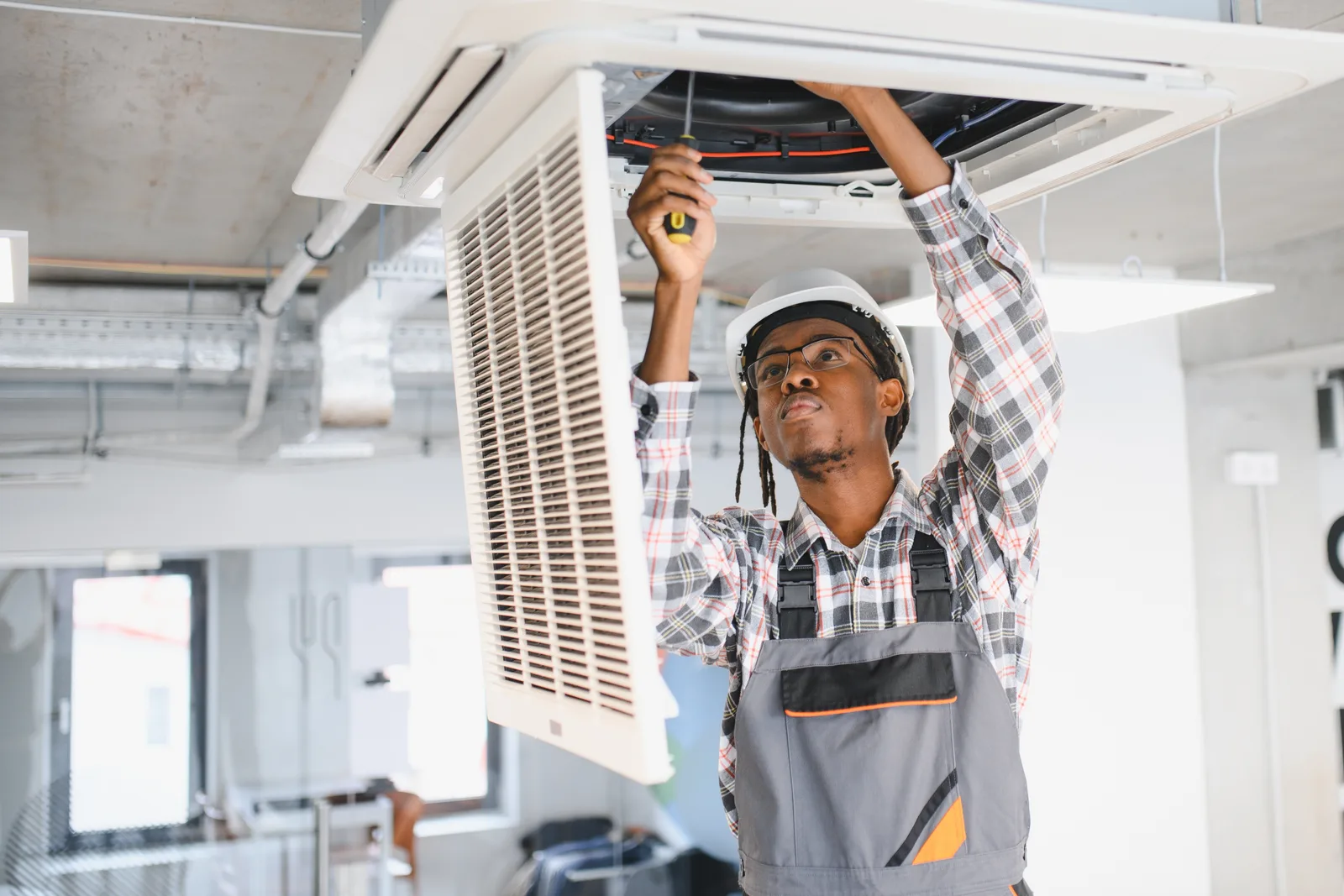
NOAA’s climate normals for Milwaukee Mitchell International Airport put Wisconsin’s heating load far above its cooling load, with lake-effect snow near Lake Michigan and Lake Superior adding to long winters. Census data show utility gas heating a larger share of Wisconsin homes than nationally, bottled propane more than twice the national share, and wood about twice it, while electric heat sits far below the national share — so propane tanks, lines and appliances are part of the job, alongside gas furnaces and boilers in older housing, where two-to-four-unit buildings are somewhat more common than nationally. A furnace or boiler repair that fails in January can freeze pipes overnight, and a propane or gas connection left wrong becomes a fire or carbon-monoxide claim. Humid summers still bring air-conditioning work to Madison, Green Bay and Appleton. Mapped in the diagram, Wisconsin’s exposures fall to the policies that respond: furnace, boiler and propane work that fails goes to general liability, gauges and recovery machines to contractors equipment, a technician hurt on an icy roof to workers compensation, and a van on the roads off Lake Michigan to commercial auto.
Wisconsin HVAC claims we insure against
Propane heat, long winters, older duplex housing and a permit system that checks insurance shape the Wisconsin losses we plan around.
- A propane line that leaks after service — with propane heating more than twice the national share of Wisconsin homes, a line or appliance serviced near Green Bay or Appleton that leaks later is a completed-operations claim under general liability.
- Frozen pipes in a Milwaukee duplex — a boiler or furnace fix fails overnight in January and burst pipes damage both units, again general liability, with the umbrella above it.
- A carbon-monoxide call after a furnace change-out — a flue connection left wrong in a Madison or Kenosha house backdrafts weeks later, the completed-operations exposure the dwelling-permit certificate’s liability proof stands behind.
- A slip on an icy roof — a technician on a Racine rooftop unit after lake-effect snow, the workers compensation exposure the certificate requires you to insure if you have employees.
- Gear stolen from a van in Milwaukee — gauges and a recovery machine taken overnight, a contractors equipment loss; a winter crash on the way to a no-heat call is commercial auto.
Setting up a Wisconsin HVAC program
In Wisconsin the DSPS registration, the dwelling-permit certificate and the insurance program have to agree. We write general liability that meets the certificate of financial responsibility — so you are not relying on a small bond that caps the size of dwelling jobs you can take — provide the comp evidence DSPS needs when you have employees, and keep both current through the annual certificate cycle. We describe propane, boiler and furnace work accurately on the policy, set completed-operations coverage for the no-heat claims of a Wisconsin January, and schedule the gauges, recovery machines and vans that run routes from Kenosha and Racine to Green Bay and Appleton. For commercial work in Milwaukee and Madison, we set umbrella and additional-insured terms to what general contractors require.
Major Wisconsin HVAC Markets
Wisconsin is not one market — it is a dense, lake-influenced Milwaukee metro, a fast-growing Madison, the Fox Valley and Green Bay manufacturing corridor, and the colder north and west, each with its own heating-and-cooling balance and service mix. These are the major HVAC submarkets we place across.
Milwaukee / Southeast Wisconsin
The state’s dominant market — a dense Lake Michigan metro with a deep residential service-and-replacement base and heavy commercial, industrial, and institutional mechanical work. Cold, snowy, lake-influenced winters make furnace and boiler reliability central while warm, humid summers sustain a full air-conditioning calendar.
Madison / Dane County
The state capital anchors a fast-growing central market with government, university, healthcare, and commercial mechanical work alongside a strong residential replacement-and-service base, on a true four-season heating-and-cooling cycle.
Green Bay / Fox Valley
A northeastern metro and the Fox Valley corridor where severe, snowy winters drive strong heating demand across residential, commercial, and manufacturing accounts, with warm, humid summers adding cooling service work.
Kenosha & Racine
Southeastern lakeshore communities between Milwaukee and the Illinois line, with a mature residential service market and commercial and light-industrial mechanical work on a cold-winter, humid-summer four-season cycle.
Appleton / Oshkosh
A central Fox Valley manufacturing and commercial region with a steady residential replacement base and industrial mechanical work, where long, cold winters make heating reliability the leading driver.
Eau Claire / Western Wisconsin
A western metro with severe-cold winters, a residential service base, and commercial and institutional mechanical work across a rural-to-metro footprint, with summer cooling demand filling out the calendar.
Wisconsin is one of the 48 states we are licensed in. As each state page comes online you can compare licensing, season, and market conditions across every state we serve.
Next reads for Wisconsin HVAC contractors
Because the dwelling-permit certificate checks it, start with general liability and how completed-operations coverage follows a furnace, boiler or propane job, then workers compensation and how the HVAC comp class code works. Propane and gas venting make how carbon-monoxide claims are handled worth reading, and duplex work in Milwaukee is the reason to size the umbrella carefully. Furnace, boiler and propane service fits residential HVAC contractor insurance, and Milwaukee and Madison commercial mechanical work fits commercial HVAC contractor insurance; Minnesota, Michigan and the rest of our states are listed on the states we serve index.
Wisconsin HVAC Insurance FAQs
Does Wisconsin require HVAC contractors to register with DSPS?
Yes. Under Wisconsin Administrative Code § SPS 305.70, no person, entity or business may install or service heating, ventilating or air-conditioning equipment, or offer to, without a DSPS registration as a registered HVAC Contractor, backed by an individual HVAC Qualifier credential. A DSPS HVAC Qualifier credential does not replace federal EPA Section 608 certification for technicians who handle refrigerant.
What does an insured HVAC company in Wisconsin need before pulling a dwelling-code permit on a house?
A certificate of financial responsibility from DSPS, renewed each year. Under Wisconsin Statutes section 101.654, no one may obtain a building permit under the one- and two-family dwelling code without it, and it requires proof of a surety bond or a general liability policy, a workers’ comp policy or approved self-insurance if you are required to carry comp, and current unemployment contributions where they apply.
Can a Wisconsin HVAC contractor use a bond instead of liability insurance for the dwelling certificate?
Section 101.654 allows either a surety bond or a general liability policy, but a contractor using a smaller bond must agree not to take dwelling work above the bond amount, and DSPS notes that restriction on the certificate. A surety bond can satisfy the Wisconsin permit requirement, but it is not liability insurance for your business: the surety does not defend you when a furnace you installed causes a fire, which is what general liability is for.
Who is exempt from Wisconsin HVAC contractor registration?
DSPS lists the exceptions under SPS 305.70: servicing existing equipment in facilities or properties the business owns, installing or servicing equipment in a dwelling the owner lives in or will live in, and the electrical or plumbing work associated with HVAC installation or service, which falls under separate credentials. Anyone who installs or services HVAC equipment for others in Wisconsin needs the registration.
Does Wisconsin’s propane-heated housing change what an HVAC contractor’s liability policy must answer for?
It does. Census data put bottled propane in more than twice the national share of Wisconsin homes, with utility gas also above it, so propane tanks, lines and appliances sit inside the work a registered Wisconsin HVAC contractor does under SPS 305.70. A propane connection that leaks after the job and causes a fire or an injury is a completed-operations claim under general liability.
What do lake-effect winters mean for a Wisconsin HVAC contractor’s coverage?
NOAA’s normals for Milwaukee put the heating load far above the cooling load, and lake-effect snow near Lake Michigan and Lake Superior sharpens the cold months. That concentrates Wisconsin claims in winter: no-heat repairs that fail and let pipes freeze, technicians on icy roofs, and service vans on snow-covered roads — general liability, workers’ comp and commercial auto respectively.
Get a Wisconsin HVAC insurance quote
Tell us how your Wisconsin operation works — residential service, commercial and mechanical, or both — and we will market it to carriers that write the class.